

Community groups, local people and politicians from Rutland travelled to Whitehall in London last Wednesday to display the heritage, culture and tourism appeal of the county amid ongoing conversations regarding its future.
The morning, organised by Conservative Rutland County Councillor Lucy Stephenson, showcased different elements from the county and the official tourism organisation, Discover Rutland, greeted Londoners and tourists who stopped to watch.
The idea for a static rally on a stage close to governmental buildings was born earlier this year when Local Government Reorganisation proposals were advancing.
But with these plans now under re-consideration, the possible introduction of a regional mayor and still no codified ceremonial county status, Stephenson hoped the day would help central government politicians identify with Britain’s smallest in-land county when making decisions which would affect the rural communities from the capital city.
She said: “When we talk about heritage and culture and people and community, here is a living breathing three-dimensional representation of that.”
The resounding theme of local voices at the event was a sense of pride in the county and that it was an honour to represent it to a new, national audience.
Rutland Musical Theatre group performed and singer Laura Ray said: “To be able to bring the heart of Rutland to London and to be right by Downing Street shows that, and to quote Shakespeare- ‘though she be but little she is fierce’, and that is exactly what we are.”
Although the day itself did not have a clear, strong political message, it certainly brought back into focus the continuing unsettled matter of the future of the independent local authority and ceremonial status of the county.
Local authority reorganisation
With Rutland’s population at just over 41,000 the county council is no longer considered a viable option and therefore is included in the Labour government’s programme which aims to create councils which serve around 500,000 local people each.
In spite of local politicians coming together for the day, the topic of the county’s future is a contentious subject between them, and for many local people.
Andrew Brown, who is an independent councillor for Rutland and a farmer, has had family living in the county for more than 400 years and joined in the festivities with a rendition of the traditional folk song To Be a Farmer’s Boy.
After his performance he said: “I am very proud to be part of the Rutland community.
“It is such a beautiful place to live and there is such a great sense of community and it’s something we need to uphold.
“Big is not always best, small is beauty and that is what we have got to get back to because we know what we are doing in Rutland and we can be left to our own devices and we can get on with it to be honest.”
Also in attendance was MP for Rutland and Melton Alicia Kearns who spoke on the stage and afterwards said: “This is us celebrating and embracing our amazing county and saying that we won’t be ignored, but the hearts of our people will shine through.”
The static rally comes after an extended period of uncertainty for Rutlanders, with many remembering when Rutland went through a similar process of local authority restructuring.
The county was an independent unitary authority- meaning it managed and delivered its own social services- until 1974 when it merged with Leicestershire under the Local Government Act 1972.
It then regained its independent county status in 1997 to gain its own council once again, but proposals initiated in 2025 once more threatened that.
Rutland County Council was issued with a statutory invitation by the then Minister of State for Local Government and English Devolution, asking them, and other two-tier or small unitary councils in the East Midlands region of Leicestershire, to develop proposals for a unitary local government.
The county was included in three proposals for merger with other local councils and other initial discussions took place with neighbouring South Kesteven in Lincolnshire which includes the town Stamford which sits just over the Rutland border.
But the Government announced in July 2026 that they would move forwards with a North, City and South option for Leicestershire which would see three unitary councils created- one for Leicester city, another to cover the remaining northern districts and Rutland, and then a third for south Leicestershire and Harborough.
Shortly after, 10 Rutland boundary welcome signs went missing, thought to have been stolen by trophy collectors as a piece of history, sparking the removal of the remaining by the council as a protective measure.
Now only the A1 signs remain and the council say they will not be replaced until 2027 due to other winter road improvements being the current priority.
After the proposal announcement, MP Kearns hosted a petition against the plans for Rutland, Leicestershire and Lincolnshire which was delivered to Parliament in September with 8,527 signatures and remains critical of the consultation process, saying that local voices have not been heard.
Following the backlash from local people the plan was paused in September and more recently abandoned completely, with reconsideration of the original three options to be repeated.
MP Kearns said: “We know what residents really want and they want something that brings together Rutland, Stamford, Melton and the South Kesteven villages.
“It’s not for me to say what it should be, it’s for residents to be heard.”
Meanwhile, earlier this week Rutland County Council Leader Christine Wise (Liberal Democrat) joined all seven other Leicestershire district and borough council leaders to back the original North, City, South plan.
She said in a statement: “If Rutland cannot remain as an independent unitary authority with the benefit of increased funding and devolved powers, we urge ministers to give the proposal the careful consideration it deserves.”
The group believe that the option will create financially stable councils, accelerate economic growth and achieve more prevention focussed services to reduce demand and improve lives of local people.
Stephenson however advocates for further work to convince the government that Rutland County Council can stay independent, and does not believe that bigger authorities equal better.
She said: “That assumption, I don't believe, has been tested properly and tested thoroughly with a very, very clear evidence base.
“If we go down the route of losing Rutland status, we then actually don't have a budget and we're put into a position where we are influencing decisions rather than directly making them.
“Even with our services that we share with Leicestershire and Leicester City- our health, our police and fire, at the moment because of our status, we are co-designers so we sit at the table and we are able to say precisely what Rutland needs and we've actually got some kind out of power to make sure that those things are listened to.”
County ceremonial status
Alongside the loss of the local authority, the ceremonial status of Rutland is a concerning topic for local residents as they fear that they could lose a sense of identity with the loss of the county name.
The county status is currently only protected through an assurance from ministers (rather than written in law) that if it does join with another council, the ceremonial status and roles like the High Sheriff and Lord Lieutenant could be lost.
A Save Rutland campaign was backed by over 7,000 signatures in a separate petition in 2025 led by MP Kearns, but no codified protection has yet been granted.
Stephenson said: “When we were given our independence in 1997, our county status was wrapped up in that, if we cheerfully trot off and sign off to being in a different authority, we actually lose that county status unless we have special legislative things put in place to protect us, and that's so important for our visitor economy.
“We know with politics, ministers come and go, it is currently only an assurance.
“What is absolute fact is that within the structural changes orders, which are required to create new councils and indeed abolish old ones, there would absolutely need to be written in black and white, a specific piece of legislation that grants us our county status.
“And until that is in black and white until it has gone through Parliament, we are at risk.”
Proposed devolution and introduction of a regional mayor
Whilst discussions continue over the status of the local authority, Chancellor John Healy announced further devolution plans which could involve Rutland.
In the Autumn Budget he introduced a Fiscal Devolution Roadmap which could see the introduction of devolved mayors across the country, including an elected representative for Leicester, Leicestershire and Rutland.
Already established mayors, such as in Greater Manchester, manage devolved budgets and oversee local authorities collaborating across boundaries for a joined-up approach to social services and have taken devolved powers over transport, policing, crime and planning..
MP Kearns said: “I’ve never been convinced by the idea of a mayor but I’m very open to being convinced.”
She fought against it under a Conservative government as she was concerned that it would mean absorption into a mega-mayor but thinks it is positive that Labour is moving away from plans for an East Midlands Mayor to smaller regional ones.
Stephenson is similarly hopeful about the potential of a mayor as a way to provide a strong, united regional voice.
She said: “The mayoral combined strategic authorities potentially, if done well, I think offers opportunities for us as a region.
“Whilst I'm passionate about Rutland obviously maintaining its day-to-day independence and autonomy, I think looking at the data, the East Midlands for many, many years have been underinvested in.
“And I think taking a visional approach certainly around things with regard to the economy, transport etc, I think that there are an awful lot of opportunities actually to work together as we have done very successfully over many years, with various services, to make sure that we attract the best investment possible to our area.”
Laura Totten is a local business owner in Uppingham and runs The Crown pub and rooms and she is optimistic that putting people into positions, like a mayor, means there are more accessible and approachable representatives for local voices.
But she said that ensuring the person is the right person for the job is crucial: “You can devolve all the power you want and you can put processes in place, but unless it's the right person in that process and unless the process actually delivers, then it is just another process for process sake- it’s just another rejig.”
She added that she believes that the recent reorganisation plans have been a waste of administrative time and money.
It is unclear as to the full extent of the proposed mayoral role as devolution deals are often individual to the region, but it would include the retention of business rates within the local area.
Previously Uniform Business Rates (UBR), which is a tax on business properties, has been collected locally then transferred to central government where some of it is kept and some redistributed to the area in which it was raised.
Now with mayoral fiscal devolution the government plans to move towards 100% retention in the local area by the end of the decade.
It was also suggested that mayors would be able to decide whether to introduce a tourist tax called a Visitor Levy for their region.
Totten said: “I really hope that no mayor for a small rural location would say yes to a tourist tax as it would make it even harder for people to visit.
“The money that people bring to our town, to our shops, to the hospitality businesses, to the local attractions etc is way more valuable than a tax on accommodation would be.”
She said that a tax would mean more loss to her business as she would have to cut down on employees, local suppliers and equipment in order to shoulder the cost, as increasing her prices would mean losing customers.
She added: “In the short term it might bring in some funds but in the long term it will kill tourism in the area and further kill hospitality.”
What can residents do?
For now, plans for Rutland remain unresolved and with upcoming local elections next year Councillor Stephenson believes that local government and politics literacy should be a priority for residents.
She said: “I think it is important for residents to be engaged, and knowledgeably so.”
She urges people to engage with local media as a way to educate themselves and to gain balanced views as an addition to social media content which she describes as an echo-chamber.
She added: “When people go and vote, they need to be clear who and what they are voting for and what they can expect should they get the outcome that they want, that they know who they've elected and what they can expect.
“And that's really important from the point of view of democracy that we are engaged because it really does matter for our future and our children and grandchildren going forwards.”
For now she is proud of how the display of Rutland in Whitehall brought national attention to the county.
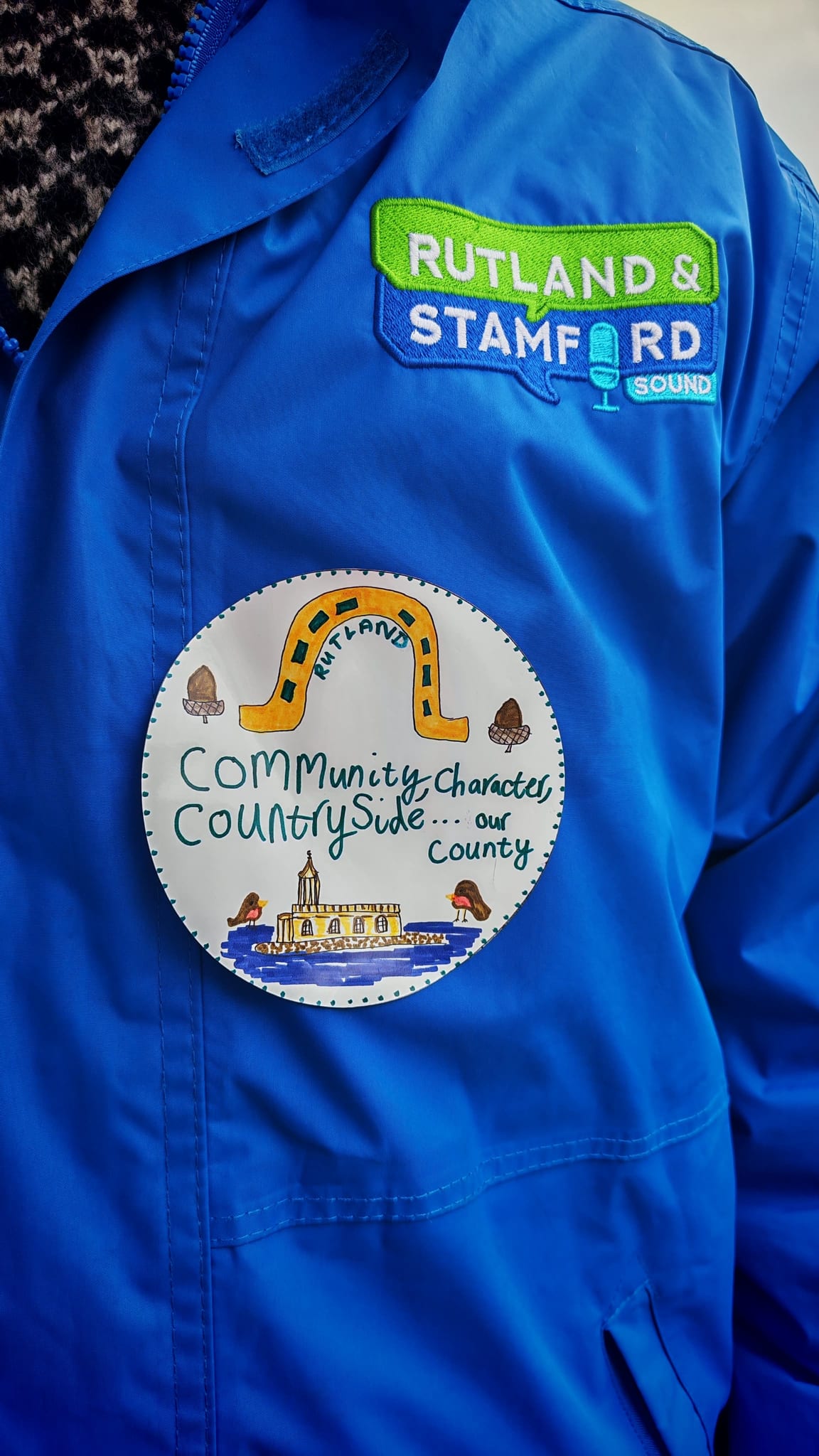
She said: “North Luffenham Primary School students who designed the artwork to go on the promotional badges and stickers, summed it up for me: community, character, countryside, our county.
“It was an emotional day, because I just felt so terribly proud to be looking at the Ministry of Defence, looking at Downing Street, looking at Whitehall, and thinking, here we are, Rutland, small, perfectly formed, and just so full of good cheer, love and decent humanity. I’m proud.”
 Weekend sports round up
 Stamford Town Bridge work finished
 The Grainstore launches festive ale
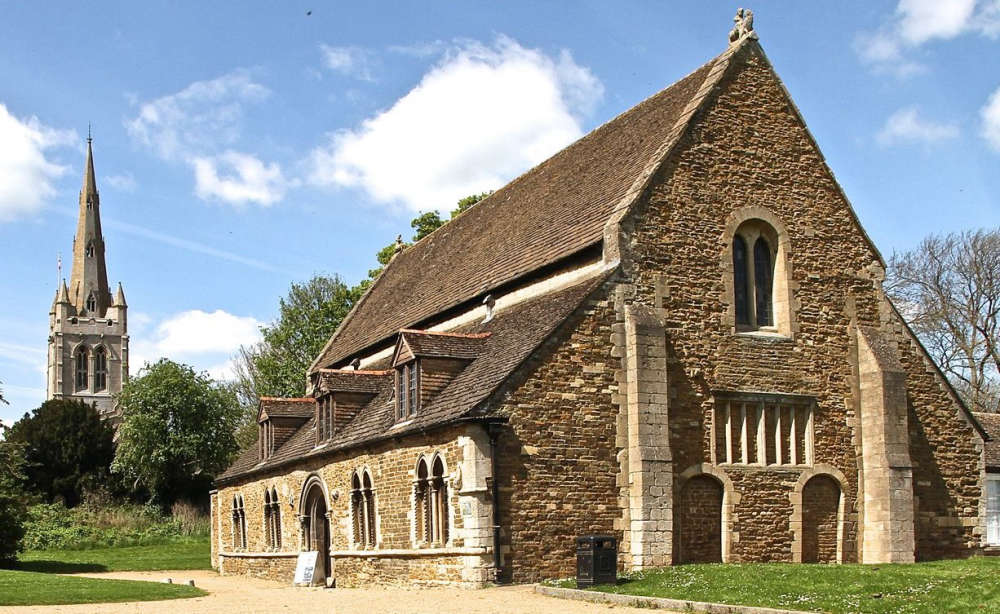 Oakham Castle supports National Care Leavers Month
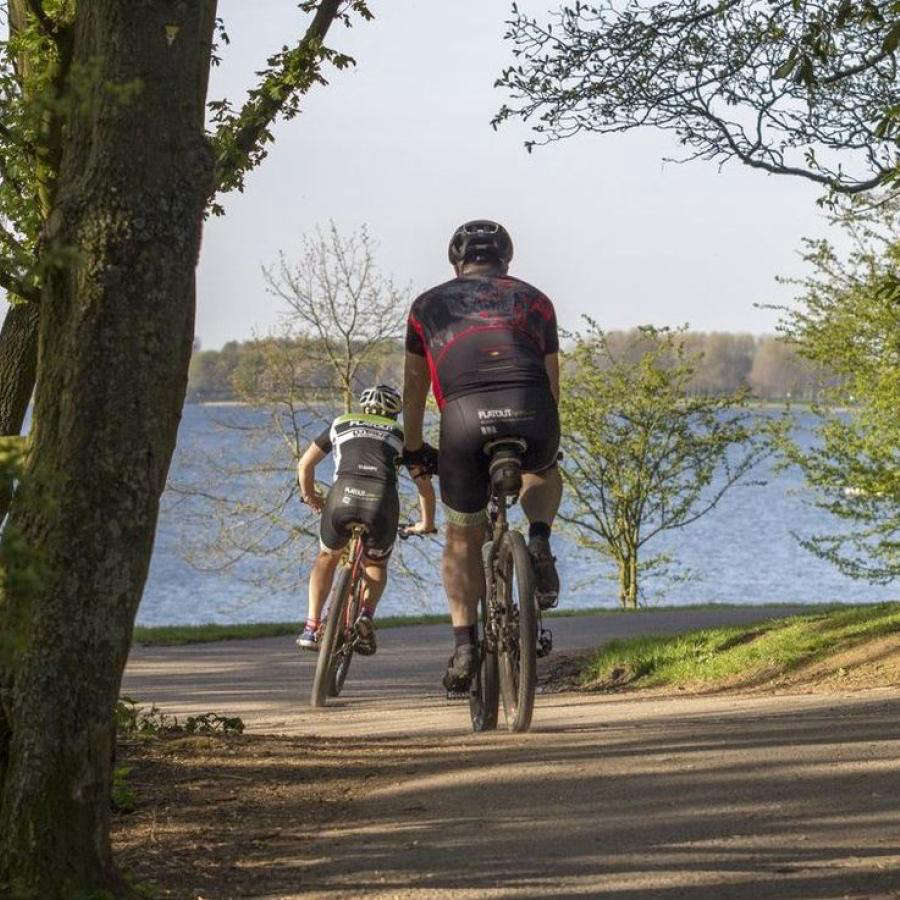 Rutland tourist attractions receive national accolade for excellency
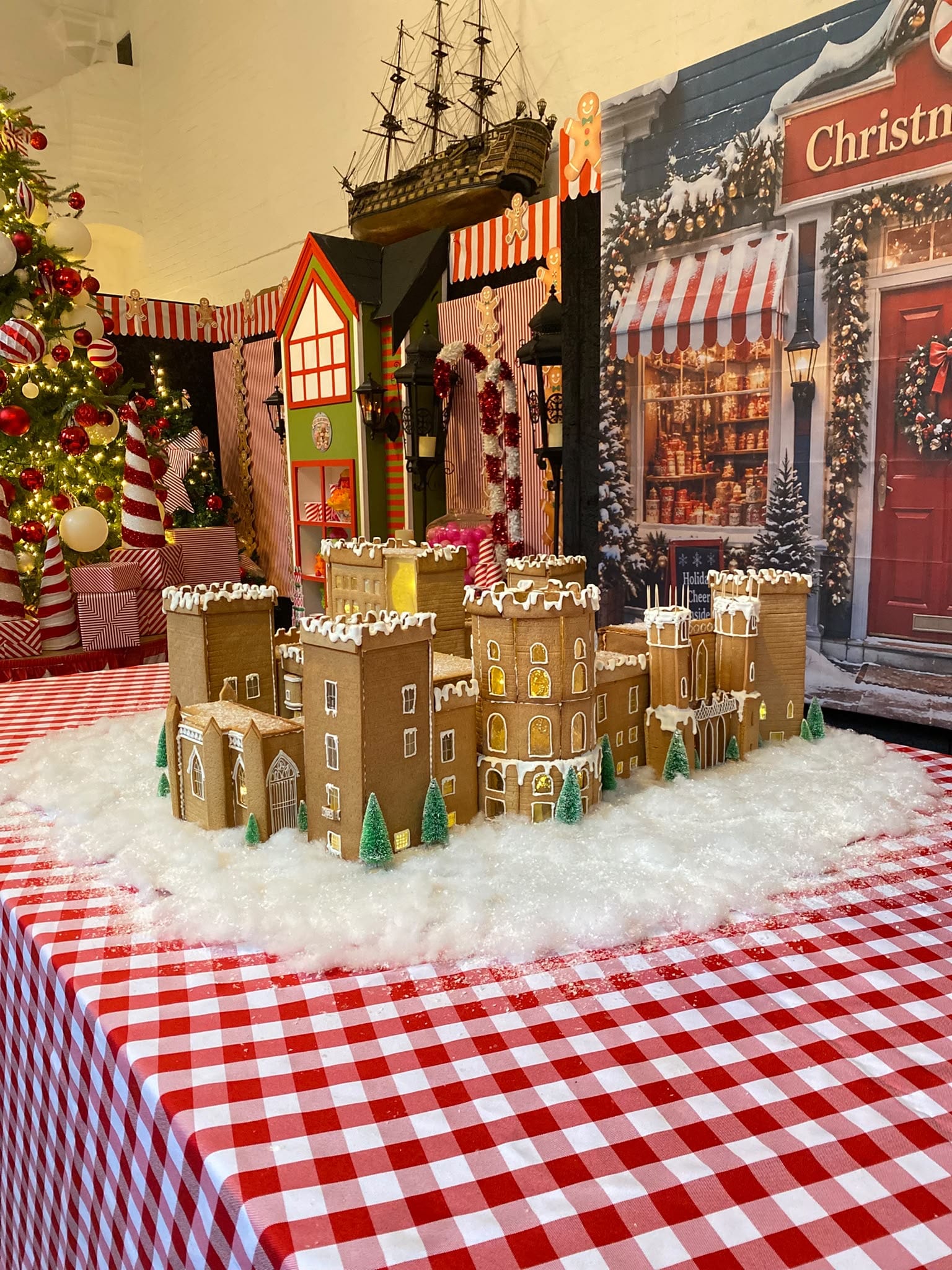 Rutland baker takes on challenge to recreate Belvoir Castle from gingerbread
 Rutland county signs will not return until next year says council
 South Kesteven free parking in the run-up to Christmas
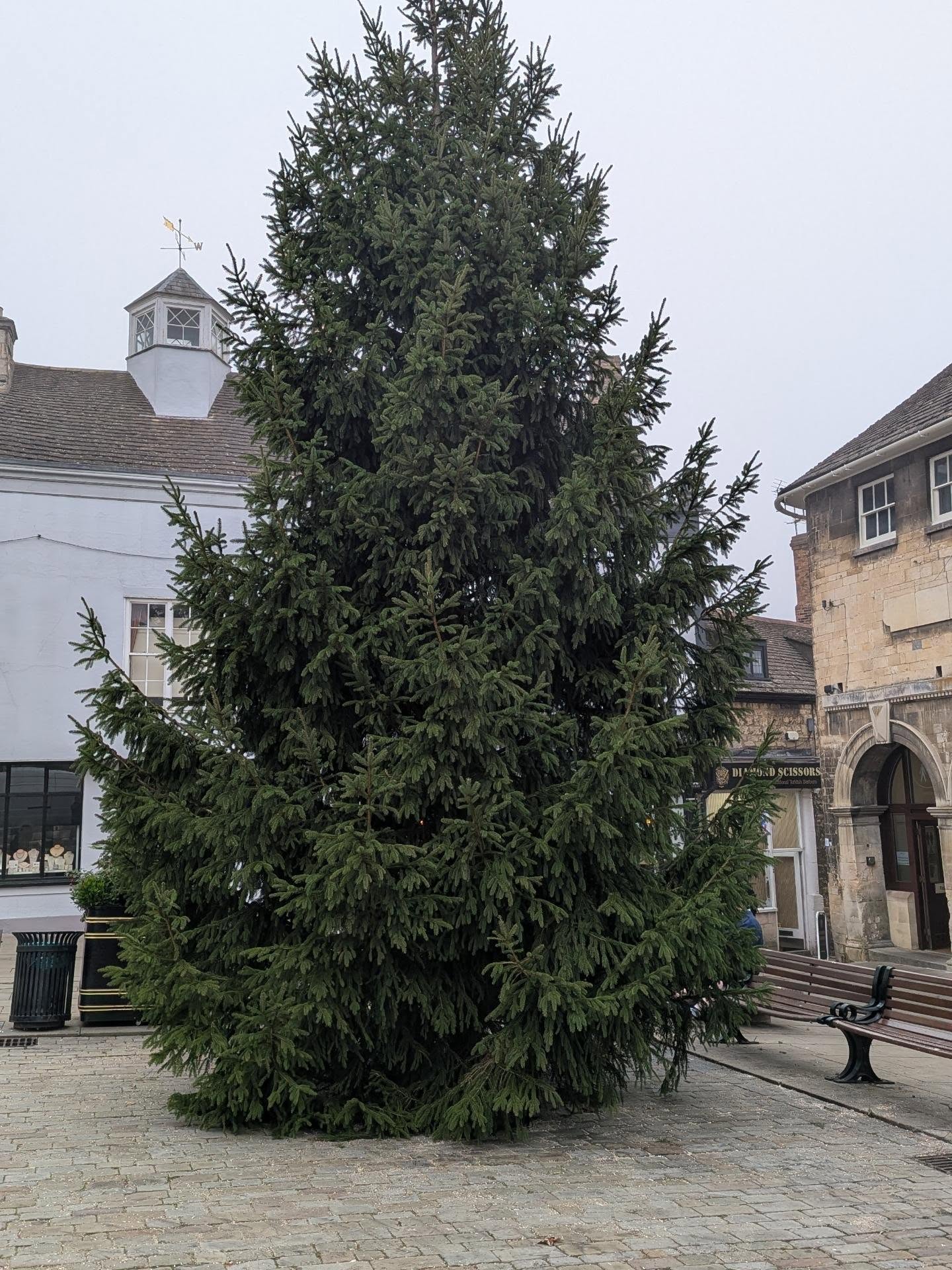 Stamford and Oakham Christmas trees